The state of São Paulo is convicted for humiliating strip searches in prisons
In a public civil lawsuit filed in 2014 by Conectas, the São Paulo Court of Justice (TJSP) acknowledges that humiliating strip searches in prisons are a violation of fundamental rights and sentences the State of São Paulo to pay 1 million BRL for collective pain and suffering
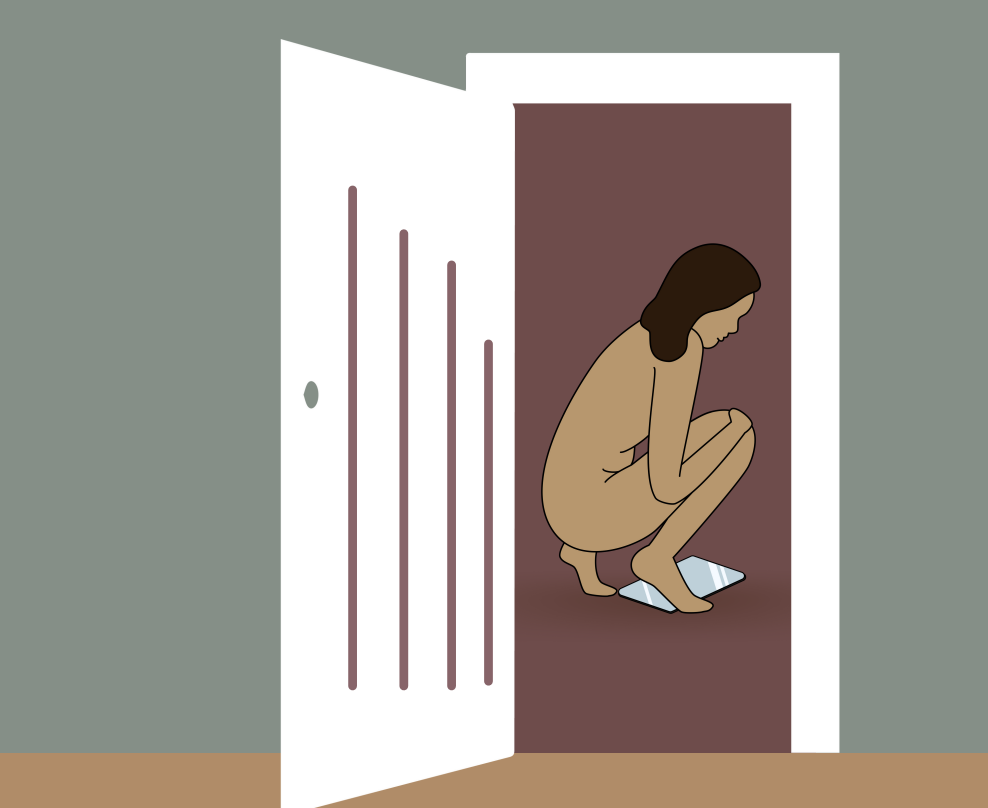 Imagem: Victória Taba
São Paulo State courts have granted a public civil lawsuit filed by Conectas against the State of São Paulo and acknowledged that the practice of humiliating strip searches on prison visitors is a violation of fundamental rights guaranteed by the Federal Constitution.
The decision, handed down at the end of July, also sentences the State to pay 1 million BRL for collective pain and suffering – this amount will be transferred to the State Fund for the Defense of Diffuse Interests. Besides, it “establishes the possibility for victims, both in cases that have already occurred and any future cases, may qualify in the enforcement stage for a claim of compensation for individual pain and suffering. The State of São Paulo may still appeal the decision”, explains Carolina Diniz, coordinator of the Program Against Institutional Violence at Conectas.
The 4th Judicial District of São Paulo, which is part of the São Paulo State Court of Justice (TJSP), states in the decision that, although the control of the entrance of forbidden objects in prison units should be under the responsibility of the State, this objective cannot be achieved through procedures that subject visitors to humiliation, embarrassment, and violations of their dignity.
Read more


“Humiliating strip searches, carried out in an abusive, humiliating, degrading, or discriminatory fashion, are forbidden. This practice is in direct violation of the Federal Constitution, which protects the dignity of human beings (…), intimacy and honor (…), and forbids unhuman and degrading treatment”, the decision claims.
With that, the TJSP highlights that the rule should require the use of boy scanners, X-ray equipment, and other electronic means of inspection, reserving “invasive strip searches only for situations where it is absolutely exceptional”, when there is strong concrete evidence that illegal objects are being concealed, and as long as strict protocols to protect the rights of the searched person are observed.
According to Diniz, another highlight is that “the decision further acknowledges that humiliating strip searches affect the family and weaken ties between the arrested individual and their relatives, violating the principle of an individualized sentence, since its effects befall the relatives of the person deprived of liberty”.
This lawsuit was filed by Conectas from complaints received by the organization on the routine of strip searches carried out mainly against women visiting arrested relatives at the I and II “ASP Giovani Marques Rodrigues” prison facilities in Guarulhos. Visitors were forced to fully undress and submit to invasive body inspections, in procedures considered abusive, arbitrary, and degrading. The entity posited that these practices affronted the constitutional principles of human dignity, intimacy, and the inviolable nature of private life, in addition to requiring that the State be held accountable for the damage caused to the victims and sentencing for collective pain and suffering.
Humiliating strip searches are incompatible with the Constitution
The decision by the TJSP adds to the understanding consolidated by higher courts on the incompatibility of humiliating strip searches with the constitution. When offering grounds for the decision, the judge expressly mentions the understanding established by the Federal Supreme Court (STF), which considered this abusive, humiliating, and degrading practice incompatible with fundamental rights. The decision also emphasizes that the absence of this equipment cannot be used to justify the continuity of degrading practices in prison establishments.
State accountability
When analyzing the evidence gathered all over the process, the judge concluded that there was a reiterated practice of abusive strip searches at the Guarulhos Provisional Detention Centers “ASP Giovani Martins Rodrigues” I and II.
Hence, she recognized both the right to reparation for the pain and suffering of the people subjected to humiliating strip searches and the existence of collective pain and suffering resulting from the institutional character of these violations. According to the decision, the practice represented a severe offense to human dignity, extrapolating individual cases and reaching the entire collectivity, in addition to compromising the family ties between arrested individuals and their relatives.
Consequently, the State of São Paulo was sentenced to pay compensation for pain and suffering to the victims, in addition to 1 million BRL for collective pain and suffering, procedural costs and lawyer fees. The amount will be destined to the State Fund for the Defense of Diffuse Interests, meant to fund projects related to the promotion of collective rights.
Discussion at the STF
In April 2025, the Federal Supreme Court (STF) concluded its judgment of Topic 998 of general repercussion (ARE 959.620) and defined that humiliating strip searches of visitors to prison facilities are incompatible with the Constitution, determining that inspections should prioritize the use of body scanners and other electronic equipment. Conectas acted in the case as amicus curiae along with other civil society organizations.
History of the lawsuit
2014 | Conectas files a public civil lawsuit
Conectas files a public civil lawsuit against the State of São Paulo to hold it accountable for the humiliating strip searches of relatives of individuals arrested at the Provisional Detention Centers (CDPs) I and II in Guarulhos. The action was based on complaints and reports from visitors subjected to humiliating and degrading procedures.
2014 | São Paulo state law prohibits the practice
State law no. 15,552/2014 is enacted, prohibiting humiliating strip searches in São Paulo prisons.
2017 | Case is dismissed at the first-degree court
The courts understand that, since the law had already prohibited the practice, there would be no further interest in judging the action. Conectas appeals the decision.
2021 | STJ recognizes legitimacy on the part of Conectas
The Superior Court of Justice (STJ) recognizes Conectas’ legitimacy in filing public civil lawsuits in defense of human rights and determines that the case should proceed.
2023 | TJSP determines continuity of the lawsuit
The São Paulo Court of Justice voids the decision that had dismissed the case and determines that the lawsuit should be judged on its merits.
2025 | STF consolidates an understanding on the topic
In another action, the STF decides that humiliating strip searches of visitors in prisons are incompatible with the Constitution and establishes that the inspection should prioritize the use of body scanners and other electronic equipment.
2026 | Justice grants the action by Conectas
The 4th Public Finance Court of São Paulo recognizes the illegality of humiliating strip searches, holds the State accountable for the violations and sentences it to pay compensation for the victims and 1 million BRL for collective pain and suffering. This decision can be appealed.