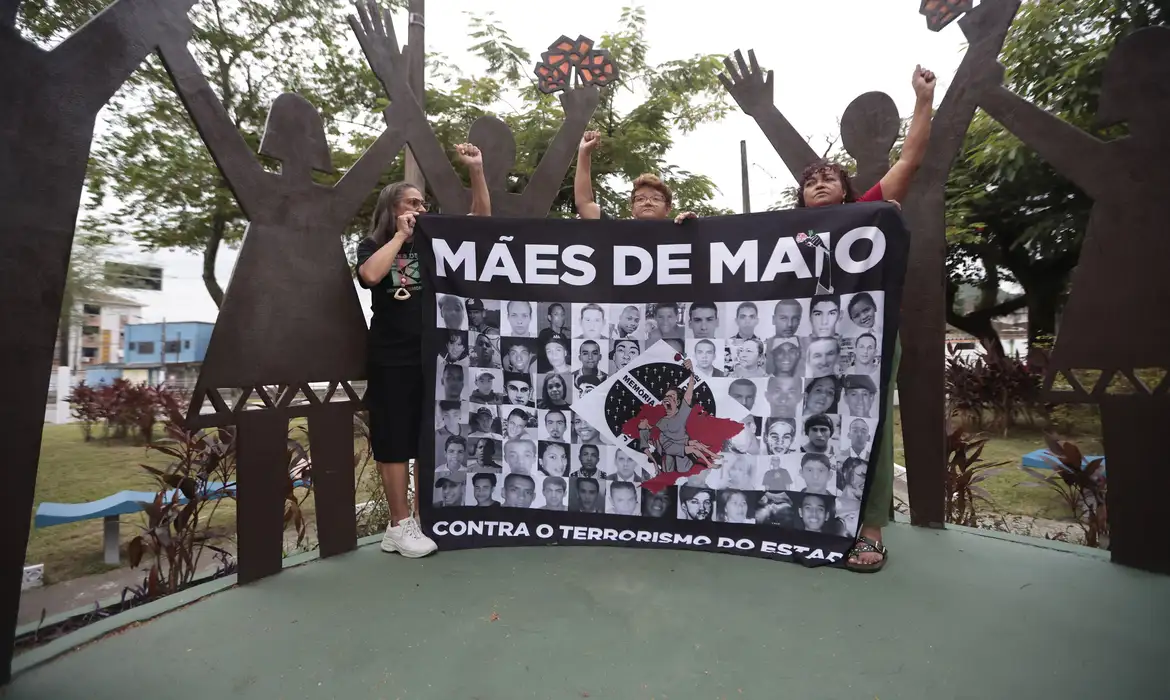
Organizations warn of the risks of classifying Brazilian criminal factions as terrorist groups
Human rights entities state that this measure by the United States could expand rights violations and that it does not contribute to the fight against organized crime
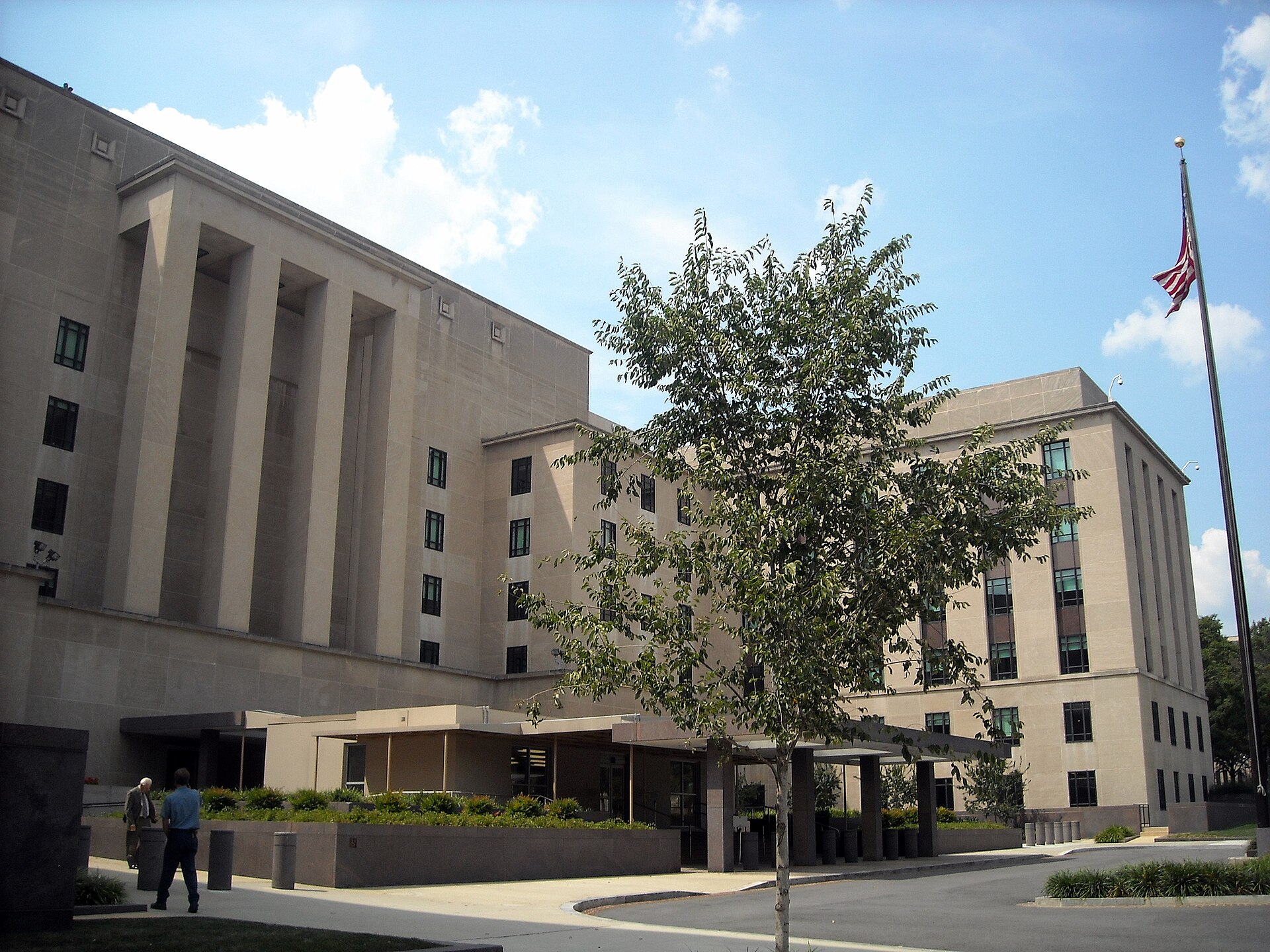 Sede do Departamento de Estado. Foto: APK
A group of civil society organizations put out a public note stating concern with the decision by the United States government to classify Brazilian criminal organizations as Specially Designated Global Terrorist Organizations (SDGTOs) and, later, as Foreign Terrorist Organizations (FTOs).
Announced on May 28th by the US State Secretary, Marco Rubio, the measure may lead to the imposition of sanctions, freezing of assets, and severe punishment against people suspected of maintaining financial, legal, or material ties to groups framed as terrorist groups.
According to the entities, the association between drug trafficking and terrorism creates space for the adoption of exceptional measures that may compromise fundamental guarantees, such as due legal process and the principles of legality, necessity, and proportionality. It may also restrict civic space and affect rights like freedom of expression and association.
Read more

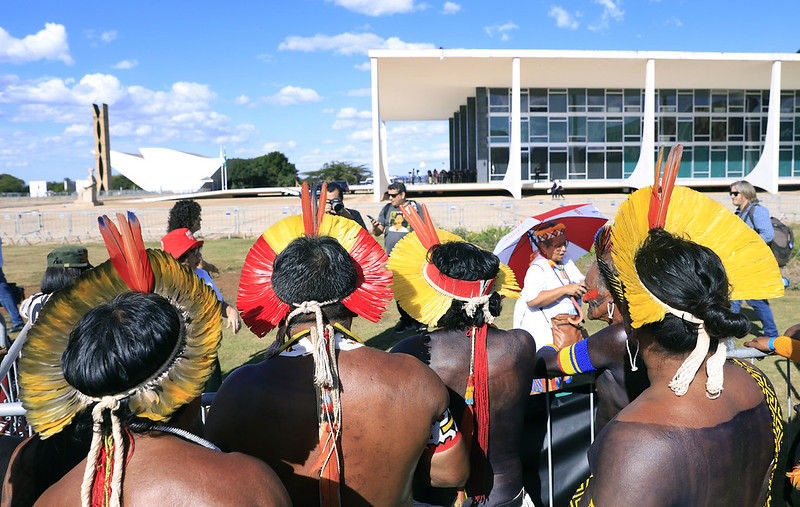
The note further highlights that similar initiatives adopted in other Latin American countries had severe consequences for human rights. For the organizations, no crime combat policy may justify extrajudicial executions or other violations perpetrated by States.
The signatories also warn of the risk of criminalizing residents of communities affected by violence, social movements, and civil society organizations operational in these territories.
According to the entities, the measure does not offer solutions to face organized crime and may increase violence against populations that have been historically affected by racism and police lethality. Instead, they defend policies that articulated qualified investigations, the reduction of social inequalities, and drug policies directed towards public health and harm reduction.
The note is signed by organizations from multiple countries, including Conectas Direitos Humanos, Justiça Global, CESeC, Plataforma Brasileira de Política de Drogas, CELS, and Robert F. Kennedy Human Rights.
Links for your reference