What changes with the STJ’s decision on military police work in demonstrations
Court determines the creation of a new protocol for the Military Police in demonstrations, focusing on preventing abuse and protecting democratic liberties.

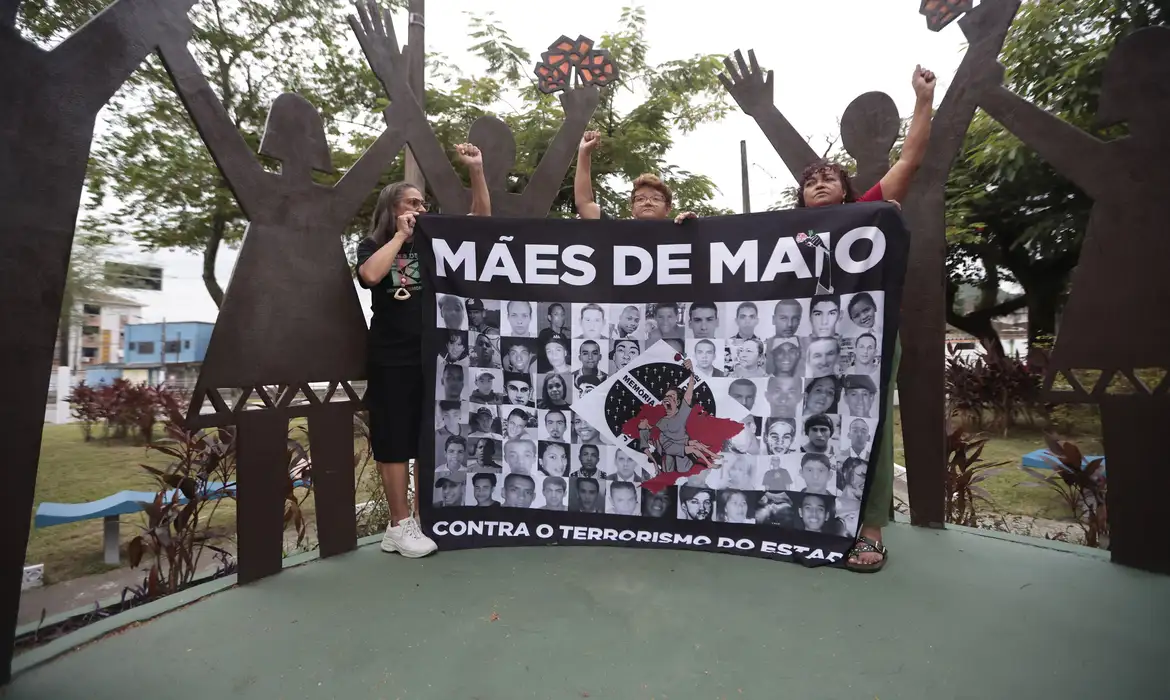
Police violence during demonstrations is still a recurring practice in Brazil. In São Paulo, episodes reported since the June 2013 Demonstrations, including the student occupations in 2015 and more recent demonstrations, included the disproportionate use of force by the Military Police, with the use of rubber bullets, stun grenades, and assaults against demonstrations.
In this context, a decision handed down by the First Panel of the Superior Court of Justice (STJ, acronym in Portuguese) represents an important step in expanding protection to the right of assembly and free manifestation. The court unanimously determined that the São Paulo State Government should prepare a new protocol to guide Military Police work in public demonstrations.
The decision is a partial response to an appeal by the São Paulo State Public Defender’s office, which, since 2014, has sought the adoption of rules capable of preventing abuse perpetrated during police raids in protests. According to the STJ, the manuals currently used by the corporation fall short of preventing rights violations and ensuring actions compatible with constitutional principles.
Read more

Instead of imposing a pre-made template, the court determined that the State should first present a diagnosis of the structural problems in military police work in these situations. It shall then prepare a protocol to be discussed with public institutions, civil society organizations, and specialists before its implementation.
What changes
The minimum directives established by the STJ include the prohibition of using firearms during demonstrations, including elastomer rounds, such as rubber bullets, other than in the cases set out by law, the visible indication of all officers involved in the operations and the creation of permanent dialog channels between police command and demonstration organizers.
The new protocol shall also establish objective criteria for the dispersion of demonstrations, regulate the use of stun grenades and tear gas, ensure that citizens may take pictures and record video of the police, set out permanent qualification programs for law enforcement, and restrict the work of the Military Police riot squad to cases where there is an administrative decision to disperse the demonstration and when the severity of the situation justifies it.
The decision also determines that the entire process of preparing the protocol should be monitored and approved by the first-degree court, responsible for overseeing compliance with measures defined by the STJ.
The document should also be oriented by principles such as respect towards human dignity, the fight against discrimination, the defense of democratic institutions, and the protection of freedom of expression and assembly, reinforcing the State’s obligation to match police work with the assurance of fundamental rights.
Accountability in the chain of command
According to Gabriel Sampaio, lawyer and director at Conectas Direitos Humanos, the decision brings internationally recognized parameters to the use of force and moves forward by facing one of the main obstacles to accountability for abuse perpetrated in demonstrations.
“These are fundamental instruments when it comes to orienting the work of State operatives in assuring the right to assembly and free manifestation of thought. This accountability also affects the chain of command”, he states.
According to him, the determination also strengthens the need for dialog between authorities and demonstrators before any police raid.
“Often one cannot identify the responsibility of command in a specific violent event. However, decisions must result from a higher hierarchical level, in a clear and objective manner. These decisions must also be clearly communicated, observing proportionality and institutional principles”, he highlights.
Strengthening of democracy
In an interview with the Juristec portal, Gabriel Sampaio, director of advocacy and litigation at Conectas, stated that the STJ’s recommendations take into account basic principles on the use of force. “These are fundamental instruments to instruct the work of State operatives in assuring the right to assembly and free manifestation of thought. There is also accountability among the chain of command”.
It is expected that the participative construction of the new protocol will establish more transparent standards for police work, reduce episodes of violence, strengthen control and accountability mechanisms, and assure that the right to manifestation may occur without intimidation or undue repression.