International declaration defends the IACHR and Inter-American human rights system
Declaration signed by dozens of organizations, experts, and former members of the Inter-American system warn of risks to the protection of human rights in the Americas
 Foto: CIDH/Divulgação
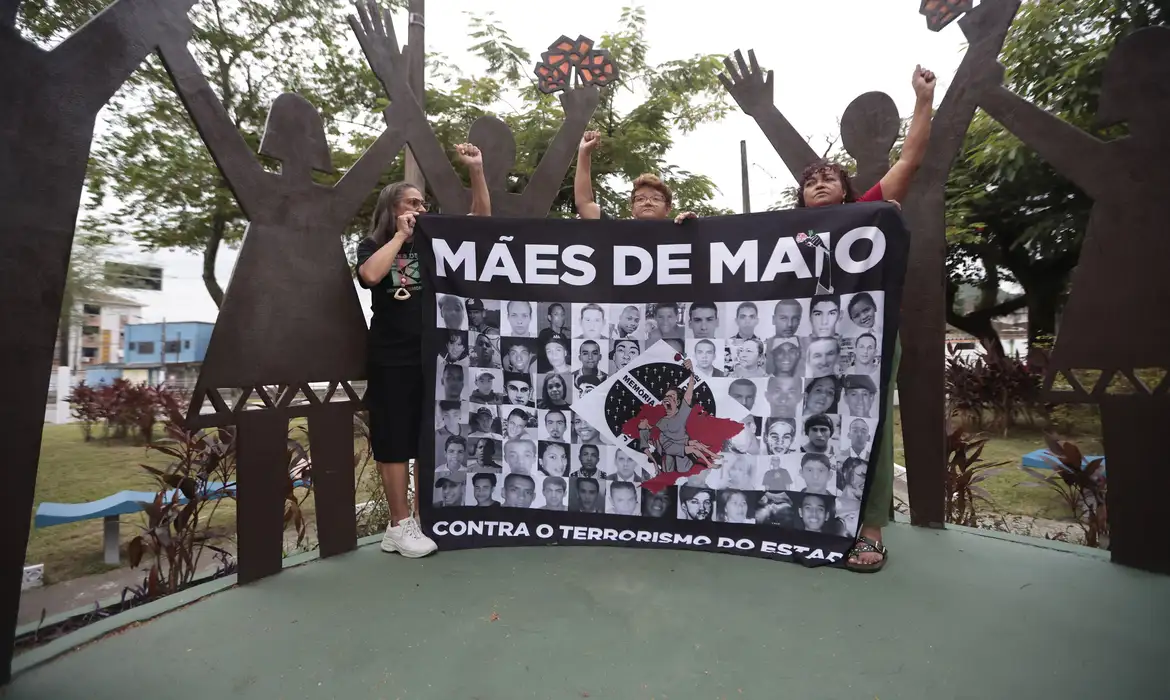
Police lethality has reached its highest historical level since it began being accounted in 2019 in the nine states monitored by the Security Observatory Network. In 2025, 4,330 deaths were registered resulting from police interventions, a 6.4% increase compared to the previous year. Among victims with informed race or color, 86.3% were Black.
The data is part of the seventh edition of the report entitled Pele Alvo: entre racism e letalidade, o amanhã (Target Skin: between racism and lethality, tomorrow, in a free translation), an annual publication that analyzes police violence in the states of Amazonas, Bahia, Ceará, Maranhão, Pará, Pernambuco, Piauí, Rio de Janeiro, and São Paulo. Produced from information obtained before state security departments through the Information Access Act (LAI, acronym in Portuguese), the study seeks to show how racism continues to structure the Brazilian public security policy and those who continue to be the main target of state violence.
Structural racism and police lethality
Read more

Over the last seven years, the Network has accounted 28,799 deaths caused by police interventions. According to the researchers, the figures reveal that, in spite of changes in security policies and the expansion of conflicts involving criminal organizations in different regions of the country, the profile of the victims remains unchanged: young Black people living in city outskirts.
The survey shows that racial inequality is a constant aspect of police lethality. In all monitored states, the proportion of Black people killed by the police exceeds the share of Black population in the state’s demographic makeup. In Amazonas, for instance, Black people represent 73.7% of the population, but correspond to 96% of the victims. In Pernambuco, this proportion is up to 94.4%, while in Bahia it is 93.9%.
The study also points out that, in the average of the analyzed studies, Black people are four times more likely to die in police raids than white people. In Pernambuco, this risk is 11 times higher, and, in Rio de Janeiro, six times higher.
Black youth continue to be the main victims
Youth continues to be the main target of state violence. In 2025, 64.8% of victims were under the age of 29, totaling 2,804 people. Among them, 310 were adolescents between the ages of 12 and 17. For the authors of the report, the early death of youth is evidence of a security policy focused on confrontation and the inability to secure the right to life.
Bahia leads the number of deaths and four states beat their own records
Among the monitored states, Bahia reported the highest absolute number of deaths resulting from police raids: 1,570 cases, keeping the state above the tally of one thousand deaths for the fifth consecutive year. São Paulo (834), Rio de Janeiro (800), and Pará (632) appear next in the ranking. In 2025, Ceará, Maranhão, Pará, and São Paulo reported their highest historical figures since 2019.
Lack of transparency hinders the fight against violence
In addition to the increased lethality, the report sheds light on transparency issues plaguing the production of official data. Maranhão and Ceará still present high percentages of records with no information on the race or color of the victims, which hinders the diagnosis of police violence. According to the researchers, the improvement in data quality makes it even more evident how disproportionate the lethality affects the Black population.
Report defends changes in the public security policy
By gathering official data, analyses, and reports from community leaders, the report defends that facing police lethality requires the acknowledgment of racism as a structuring element of public security policies. To the Security Observatory Network, reducing violence requires the strengthening of police activity control mechanisms, the expansion of data transparency, and the prioritization of public policies for the protection of life, particularly involving Black youth.