The UN passes a resolution recognizing the fight against the climate crisis as a legal obligation for states
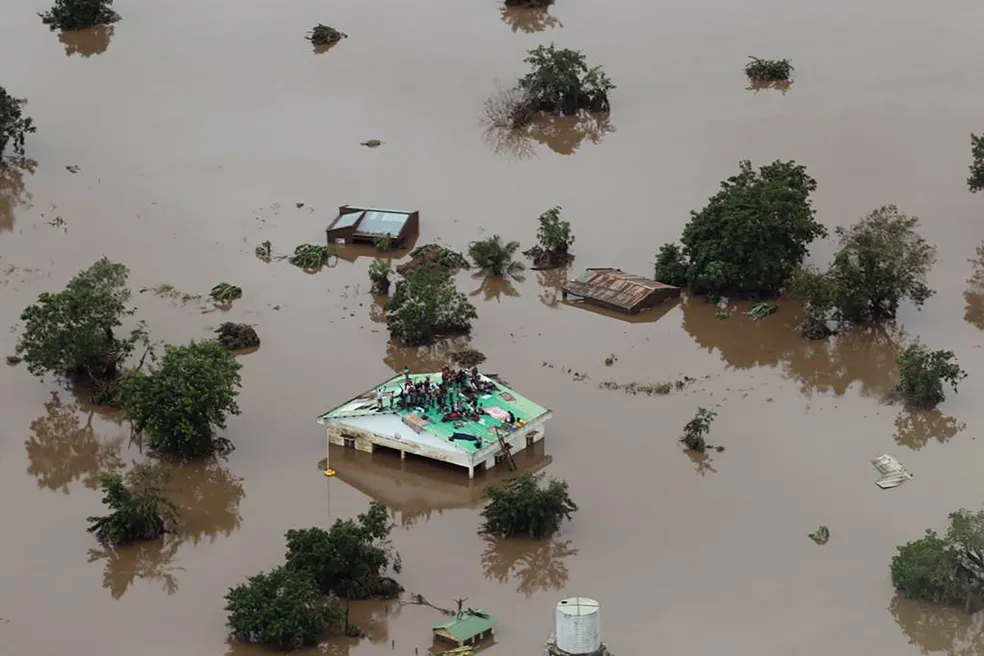 Foto: Rick Emenaket/Mission Aviation Fellowship/AFP - Área afetada pelo ciclone Idai em Beira, em Moçambique
Photo: Rick Emenaket/Mission Aviation Fellowship/AFP – Area affected by the Idai cyclone in Beira, Mozambique
The UN General Assembly passed a historic resolution this Wednesday (20) reinforcing the legal obligation of countries in the fight against the climate crisis. The text received 141 votes for, eight against, and 28 abstentions, consolidating political support to the consultive opinion by the International Court of Justice (ICJ) on States’ duties in the face of climate change.
Read more

The resolution is a milestone in international law by acknowledging that countries have legal responsibility not only when it comes to reducing the causes of the climate crisis, but also in the reparation of its impacts. In practice, the understanding strengthens methods to hold accountable governments that fail in prevention, adaptation, and reparation measures of socio-environmental and climate damage.
The vote for by Brazil occurs at a strategic moment for the country, having hosted COP30 in Belém in 2025. For civil society organizations, the stance taken by Brazil indicates an alignment with the international demand for a greater commitment to the climate.
According to Thales Machado, advisor of Conectas Direitos Humanos’ Socioenvironmental Rights Defense program, the decision indicates progress in the transformation of commitment into concrete action.
“Passing the resolution is an important step in translating the Consultive Opinion of the International Court of Justice into concrete international cooperation actions, seeking a fair, orderly and fair transition away from fossil fuels while fighting environmental racism and promoting a transformative adaptation and an adequate response to damages and loss, with an intersectional perspective of human rights focusing on the specific needs of the peoples and communities that are most affected”, he claims.
This March, Conectas and around 40 civil society organizations sent a letter to the Brazilian government requesting support to the resolution at the UN General Assembly. The document defended that Brazil should take a favorable stance in strengthening climate justice and in international accountability in the face of the climate emergency.
Further reading: Over 40 organizations ask for Brazil’s support to the UN resolution on climate
A Datafolha survey also indicated broad popular support to the measure: eight in every ten Brazilians stated that they were in favor of the climate resolution discussed at the UN.