Devastation Draft Bill puts Brazil at risk of a severe socio-environmental step back, experts warn the IACHR
Civil society organizations warn the IACHR of the impacts of the Devastation Draft Bill and ask the Redesca Rapporteurship to call upon the Brazilian government to restore mechanisms of environmental licensing and protection
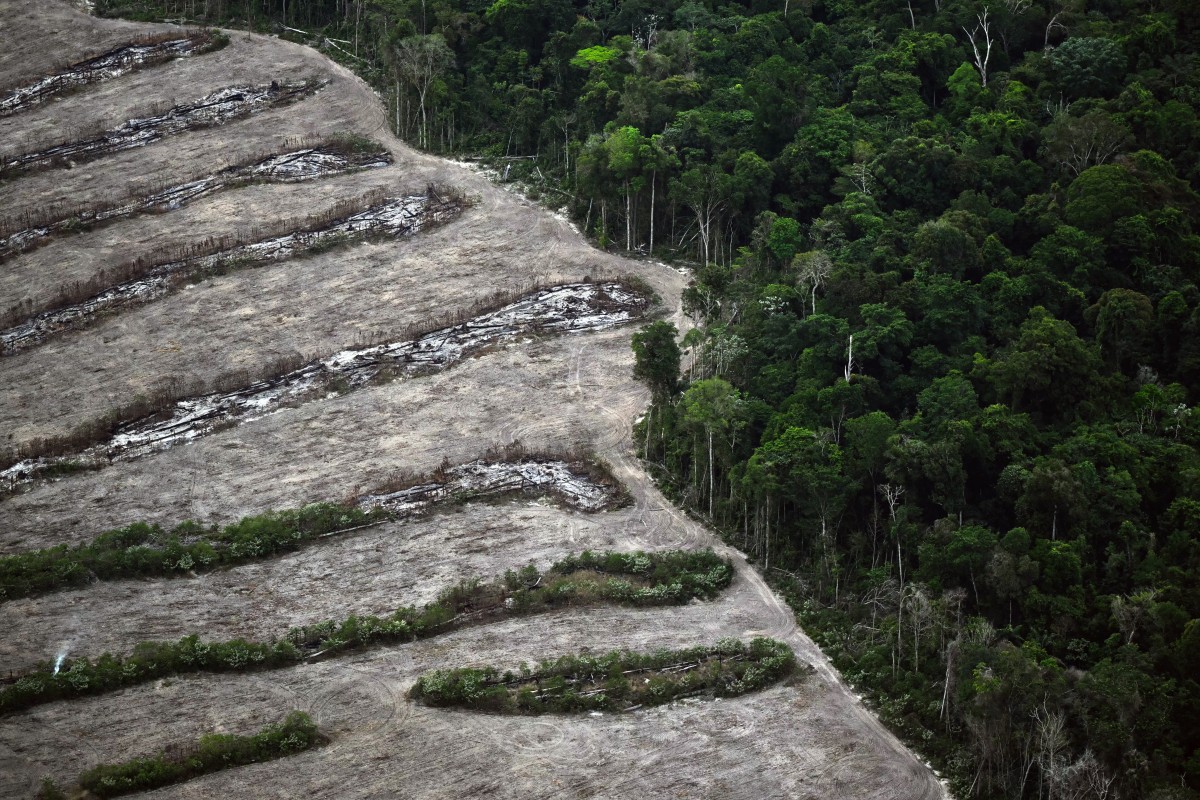 This aerial view shows deforested areas in the Amazon rainforest in the municipality of Nova Esperanca do Piria, Para State, Brazil, on November 12, 2025, during the COP30 UN Climate Change Conference. (Photo by Mauro PIMENTEL / AFP)
Instituto Sociedade, População e Natureza (ISPN, the Society, Population and Nature Institute), the Washington Brazil Office (WBO), the Climate Observatory and Conectas sent, this Friday (14) a warning to the Office of the Special Rapporteur on Economic, Social, Cultural and Environmental Rights (Redesca) of the Inter-American Commission on Human Rights (IACHR). The entities emphasize what they classify as a “severe risk of institutional depletion of the National Environmental System (Sisnama)” in Brazil.
The warning highlights that the General Environmental Licensing Law (Law no. 15,190/2025), known as the Devastation Draft Bill, “opposes the principles of precaution, prevention, and environmental non-regression, which are pillars of international and inter-American environmental and human rights”.
Even after 63 presidential vetoes, the organizations state that the passed legal text represents “a direct threat to global climate stability, environmental protection, life and human safety”. According to the entities, should the Brazilian government omit itself by legally facilitating the destruction of ecosystems, this could constitute a breach of obligations before the international community, particularly in the face of present and future generations.
Read more

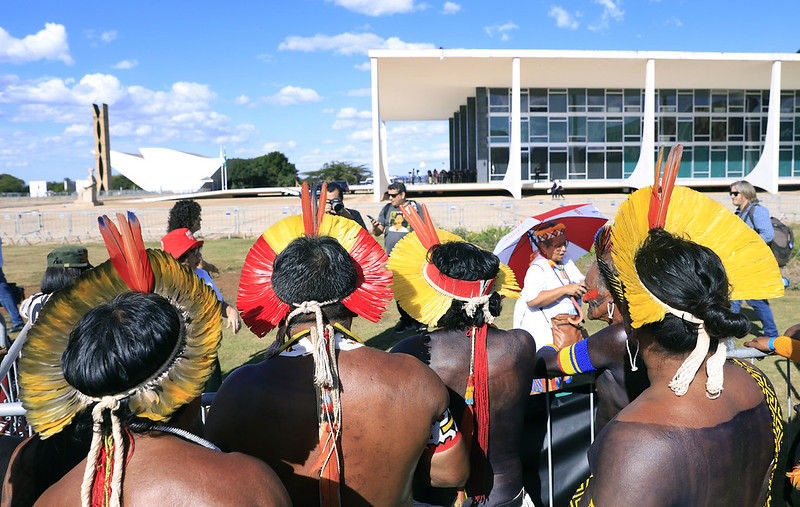
The document submitted to Redesca also warns that, “by making control, consultation and environmental assessment instruments more flexible, the Brazilian government weakens essential guarantees for the protection of life, food, water and land for indigenous peoples, quilombola settlements, and traditional communities, in addition to all populations affected by major infrastructure, mining, energy, and agribusiness developments”.