The Brazilian Higher Electoral Court (TSE) perfects regulations on the use of artificial intelligence in the 2026 elections and incorporates proposals by Conectas
Contributions from the organization are helping strengthen transparency and integrity rules in the digital realm for the next election cycle
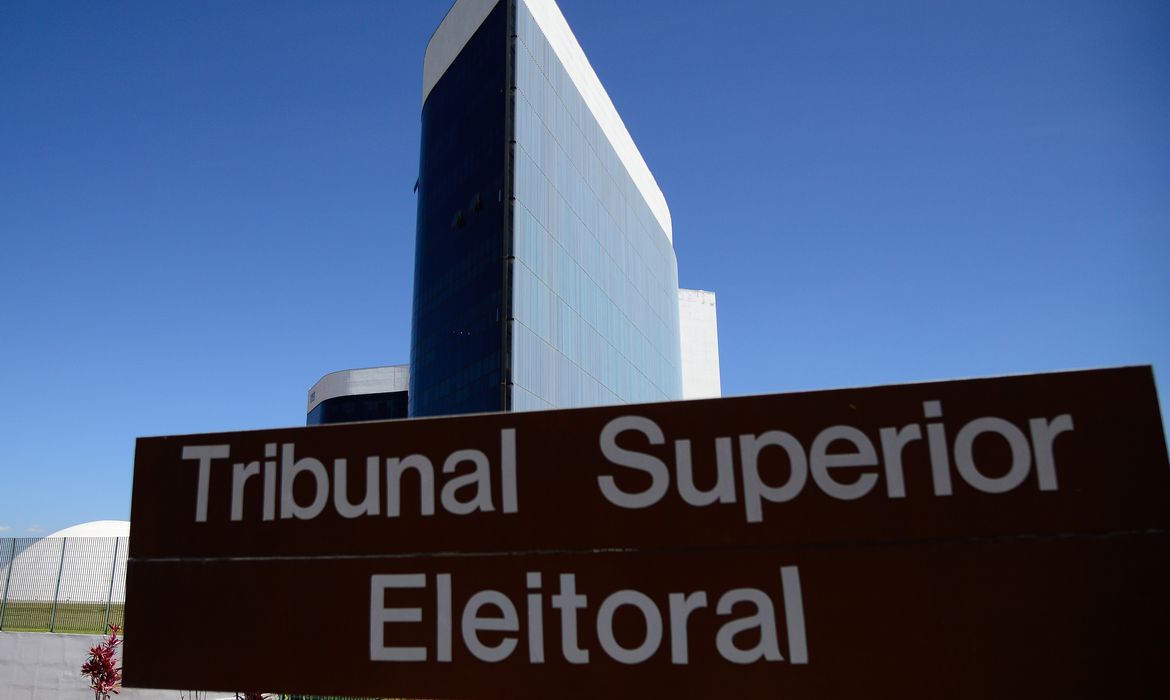 Fachada do edifício sede do STF
This past week, the Brazilian Higher Electoral Court (TSE) passed an update to Resolution no. 23,610/2019, regulating political advertising and other campaign practices in Brazilian elections. The new rules, which shall now govern the 2026 dispute, include guidelines on the use of artificial intelligence and measures meant to expand transparency and integrity in public debate in the digital realm.
Conectas Direitos Humanos was part of the public consultation process conducted by the Court, offering contributions through the Articulation against Disinformation Panel (SAD, acronym in Portuguese), in addition to individual suggestions and participations in public hearings on the topic.
Out of the several contributions made by Conectas, the following three aspects were incorporated directly into the regulation passed by the TSE:
Read more


Use of artificial intelligence in political advertising: The proposal establishes that platforms offering reach boosts to political-electoral content should provide, upon the contracting of the service, a mandatory field for the advertiser to state whether there is synthetic content generated by artificial intelligence.
The measure seeks to facilitate compliance with transparency rules already established for manipulated or synthetic content. “There are precedents that establish a labeling regime for content synthesized by AI, with consequences for abusive use, including cases of manipulation and ‘deepfake’. Establishing a highlighted field in the advertisement flow reduces lack of compliance due to usability flaws and creates a verifiable operational pattern for platforms”, states the document submitted to the TSE.
Prohibition of viral video sweepstakes and similar dynamics: The new rule prohibits the promotion or funding of sweepstakes, tournaments, challenges or reward mechanisms meant to stimulate the creation, editing or amplification of electoral content to artificially expand reach and engagement (known in Brazil as “campeonatos de cortes”, or short video championships).
According to the rationale presented by Conectas, this type of practice has become widespread in the digital ecosystem through “gamified” formats that, in practice, can operate as indirect paid advertising methods. “These arrangements often disguise themselves as ‘cultural dynamics’ and are difficult to characterize, control and verify, which creates room to circumvent the paid advertising regime and its transparency mechanisms”, the document points out.
Suppression of a problematic passage of the original draft of the Resolution: The proposal resulted in the exclusion of an article that could have allowed the boosting of sensitive content that was potentially damaging to the proper conduct of the electoral process. Maintaining this possibility could create an opportunity for the strategic use of financial resources to amplify political messages in the pre-campaign period, granting an undue advantage to specific entities and compromising the level playing field between candidates.
In addition to these changes, the Resolution also included mechanisms for the enforcement of compliance with established obligations by digital platform companies. Though the final format was different from the proposal originally submitted by Conectas, the organization believes that the compliance plan model that was passed observes the same logic defended in the contributions sent to the Court.
Contributions from civil society in the review process – In addition to the contributions presented by Conectas, the Articulation against Disinformation Panel (SAD), a network of organizations dedicated to fight disinformation and other threats to information integrity in digital environments, was also part of the TSE’s public consultation process. The organizations that make up the network submitted contributions to 14 passages of the resolution update draft. Out of the 28 proposals formulated, six were added to the final text, reflecting shared concerns with information manipulation and the need for more robust measures to fight it.