Supreme Federal Court (STF) strengthens oversight of police operations and calls for clarification on deaths in Rio
A ruling by Justice Alexandre de Moraes, within the scope of the ADPF of the Favelas, orders the preservation of evidence, the suspension of inquiries, and guarantees families and public defenders access to investigations

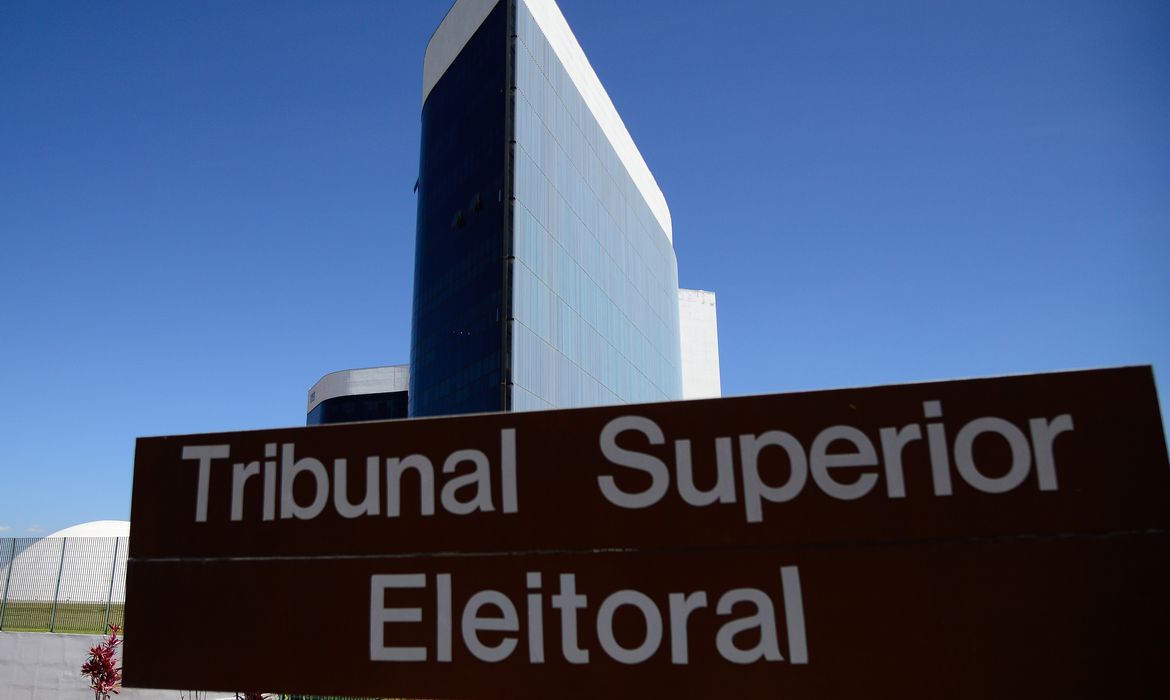
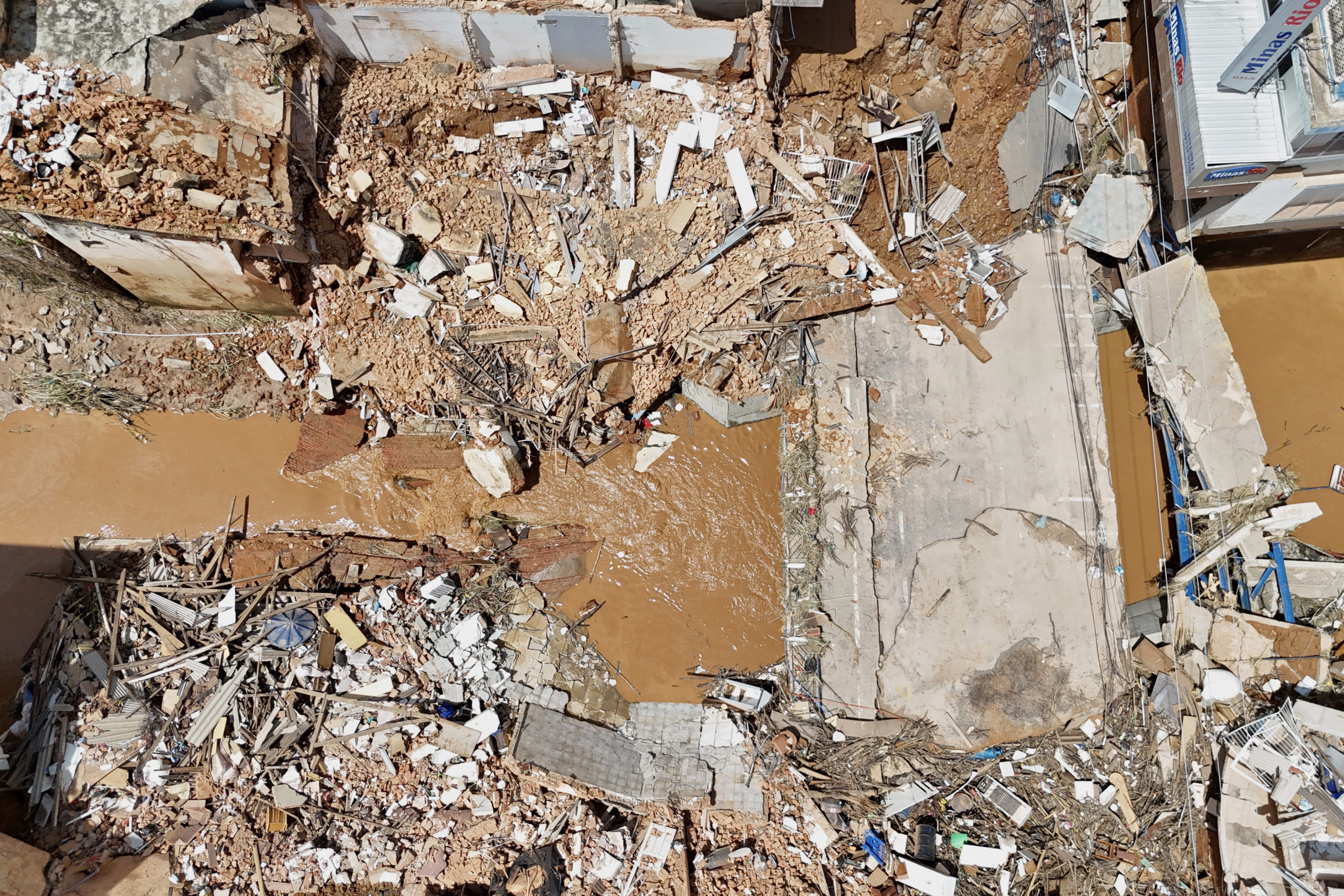
Supreme Federal Court Justice Alexandre de Moraes has ordered a series of measures and the submission of further information regarding Operation Containment, carried out on 28 October in the Alemão and Penha Complexes in Rio de Janeiro. The ruling was issued within the context of the Allegation of Non-Compliance with a Fundamental Precept (ADPF) 635, known as the ADPF of the Favelas, which for the past five years has set the parameters for judicial oversight of police lethality in the state.
The operation left 117 dead, according to data provided by the Rio de Janeiro state government and was described by organizations and public bodies as the most lethal in the history of the state. Human rights organizations, Public Defender’s Offices, and favela movements have since reported executions, torture, disappearances, and the obstruction of forensic investigations.
Preservation of evidence and body cameras
In this new ruling, Moraes ordered that the state government preserve and submit all footage from the body cameras worn by civil and military police, as well as a list of officers who were equipped with the devices. The justice also demanded that all autopsy reports with photographic records and ballistic data be submitted, along with reports proving that the people named in the judicial warrants were at the site of the operation.
Read more


The Court and the Public Prosecutor’s Office must provide information on the investigations
The Rio de Janeiro Court of Justice must provide information regarding how many arrest warrants and search-and-seizure warrants were actually fulfilled and submit a list of people who were taken into custody or killed during the operation. And the Public Prosecutor’s Office must submit the reports of its independent technical examination, and the full contents of Criminal Investigation Procedure nº 2025.0780409, set up in order to investigate what happened.
Moraes suspends investigations and reaffirms the role of the Federal Prosecutor’s Office
In addition to these measures, Moraes suspended the police investigation carried out by the 22nd Penha Precinct, which was probing victims’ families for having removed bodies from the scene. The ruling also suspended an ongoing complaint before the National Council of the Public Prosecutor’s Office (CNMP) that had stalled requests made by the Federal Prosecutor’s Office concerning the operation. The minister reaffirmed the authority of the Federal Prosecutor’s Office and stressed the importance of coordinated action between federal and state bodies.
Organizations denounce executions and obstruction of forensic investigations
These measures were adopted following a series of meetings between the justice, public authorities, and civil society representatives, held from 3 to 5 November, in Brasília and Rio de Janeiro. Organizations such as Conectas Human Rights, Redes da Maré, Global Justice, Educafro, ISER, the Mães de Manguinhos Movement, the Fala Akari Collective, and the National Human Rights Council (CNDH) took part in the hearings.
The organizations reported violence against residents, threats to victims’ families, precarious conditions at the Forensic Medical Institute, difficulties in gaining access to forensic reports, and restrictions on the work of the Public Defender’s Office and the Federal Prosecutor’s Office. The CNDH also requested the creation of emergency service tickets to provide families and affected communities access to social, psychological, and healthcare assistance.
Supreme Federal Court strengthens judicial oversight of police lethality
According to Moraes, the measures reinforce the need for transparency, preservation of evidence, and judicial oversight of police work in favelas, as established by the Supreme Court in 2020. The minister also scheduled a further hearing with the Prosecutor General and the state and Federal District attorneys general for 10 November, focused on discussing national coordination of investigations into crimes involving high police lethality.
Conectas continues to monitor compliance with the ADPF of the Favelas
Conectas has acted as amicus curiae in ADPF 635 since its inception, alongside other human rights organizations and favela collectives, and will continue to monitor compliance with STF rulings that seek to ensure the right to life, justice, and truth in Rio de Janeiro’s favelas.