Caravans gather in Brasília for the 2nd Black Women’s March, calling for reparations and well-being
National mobilization is gathering caravans from all Brazilian states on the Esplanade; Conectas is taking part in the activities and bolstering Black women’s organizations and leadership
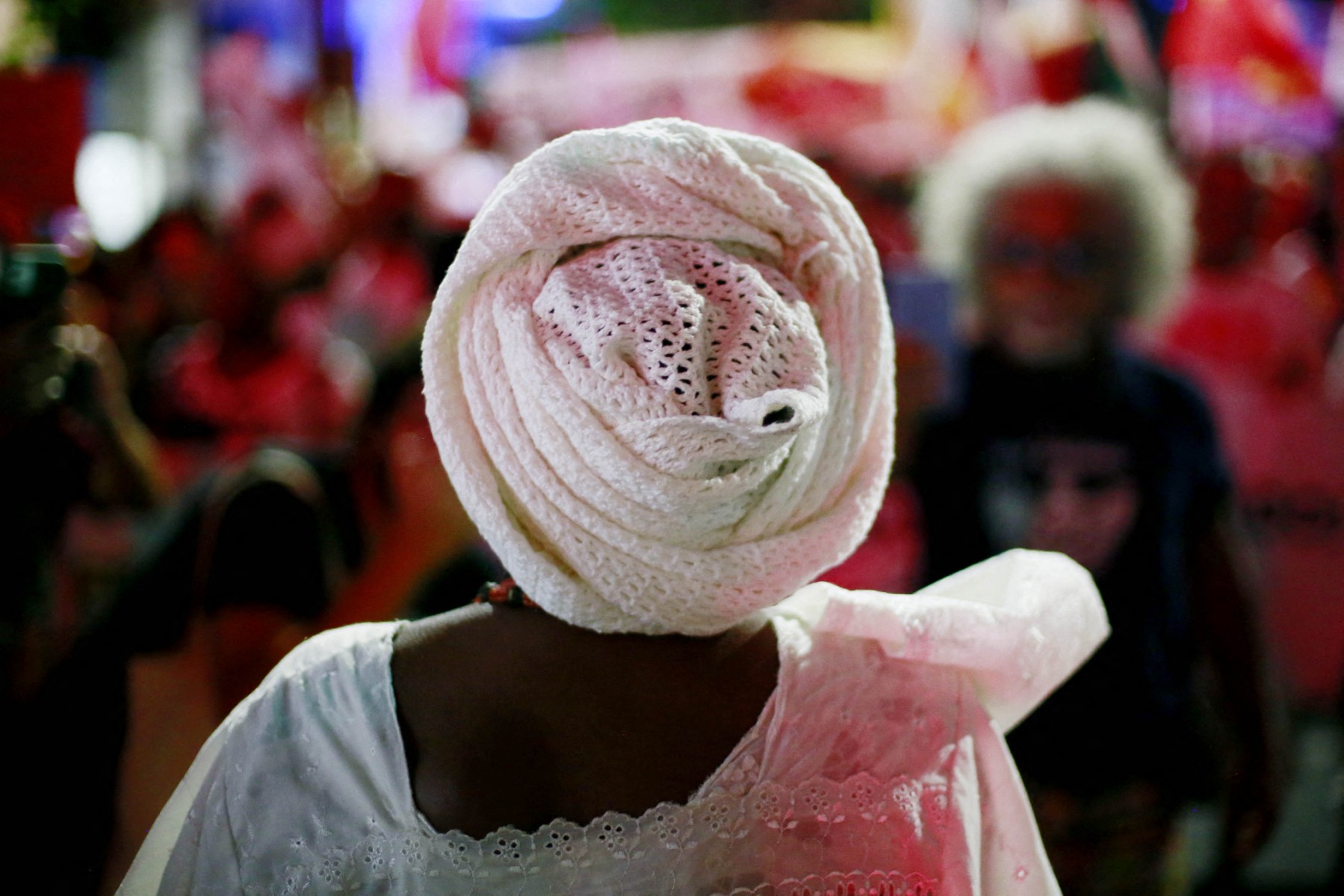 Photo by Daniel RAMALHO / AFP
Caravans from all regions of Brazil are arriving in Brasília on Tuesday (25) for the 2nd Black Women’s March, which is expected to fill the Esplanade of the Ministries with around 300,000 participants. The mobilization, organized by the National March Committee, is calling for reparation policies and the right to well-being, gathering Black women from diverse territories, age groups, and personal histories.
Conectas is following the activities in Brasília throughout the Week for Reparation and Well-Being, joining the collective effort to bolster Black women’s movements, amplify their voices, and support urgent agendas on racial justice.
A decade after the historic march
Ten years after the first march—held in 2015, when over 100,000 Black women marched through the federal capital—the 2025 event is seeking to put themes such as social mobility, structural inequality, safety, income, and violence that disproportionately affects Black women back at the center of public debate.
Read more


Holding the march in November also aligns it with Black Awareness Month, a period marked by demonstrations, debates, and activities nationwide.
What is happening on Tuesday (25)?
The program begins at 9 a.m., when participants will gather at the Museu da República. Cultural groups, capoeira circles, and a procession of berimbaus will mark the launch of the day’s activities. At the same time, the National Congress will be holding a ceremony to honor the march.
At around 11 a.m., the caravans will begin their route along the Esplanade. A chant created especially for the event invites the women to move forward together: “Keep marching sister, toward infinity. Stand your ground and shout out loud!”
From 4 p.m. on, Black female artists from different regions will present a large-scale musical performance dedicated to art and resistance. Taking the stage will be Larissa Luz, Luanna Hansen, Ebony, Prethaís, Célia Sampaio and Núbia.
International involvement
This year’s march is also strengthening ties with Black women from other countries. Leaders from Ecuador and from African diaspora communities are also taking part in the mobilization to bolster shared agendas and bring visibility to the struggles of Afro-Latina, Afro-Caribbean, and African women.
Ines Morales Lastra, from the Afro-Ecuadorian Northern Emeralds Confederation (Confederação Comarca Afro-equatoriana do Norte de Esmeraldas), explains that the group’s presence reaffirms the continuity of ancestral voices: “We march so that our demands will be heard, because we also speak for our grandmothers.”
The memory of Lélia Gonzalez lives on
The power of the march is also linked to the legacy of Lélia Gonzalez, a central figure in Black feminism in Brazil and the Americas. Her granddaughter, Melina de Lima, is taking part in the mobilization after receiving the title of Doctor Honoris Causa from the University of Brasília on behalf of the anthropologist. Concepts developed by Lélia, such as amefricanidade and pretuguês, continue to underpin debates on race, gender, and identity in Brazil.