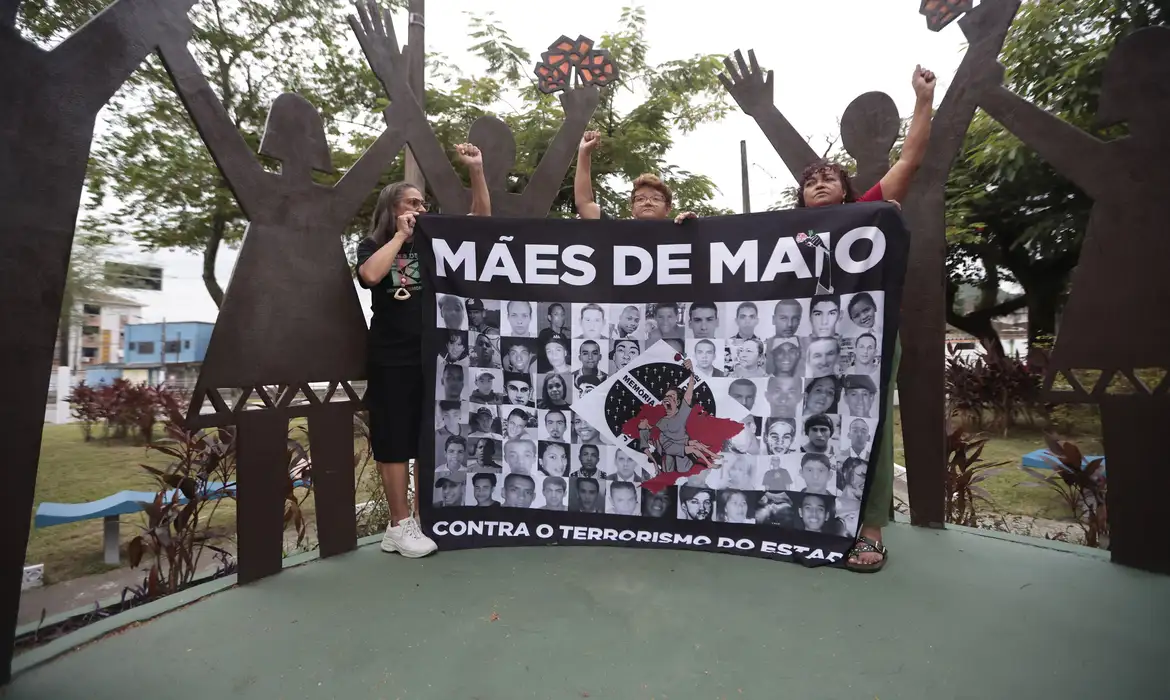
10 years of custody hearings as a tool against police violence and prison overcrowding
The initiative, which was created in 2015, contributes to the control of violence, safeguards fundamental rights and strengthens efforts to combat mass incarceration
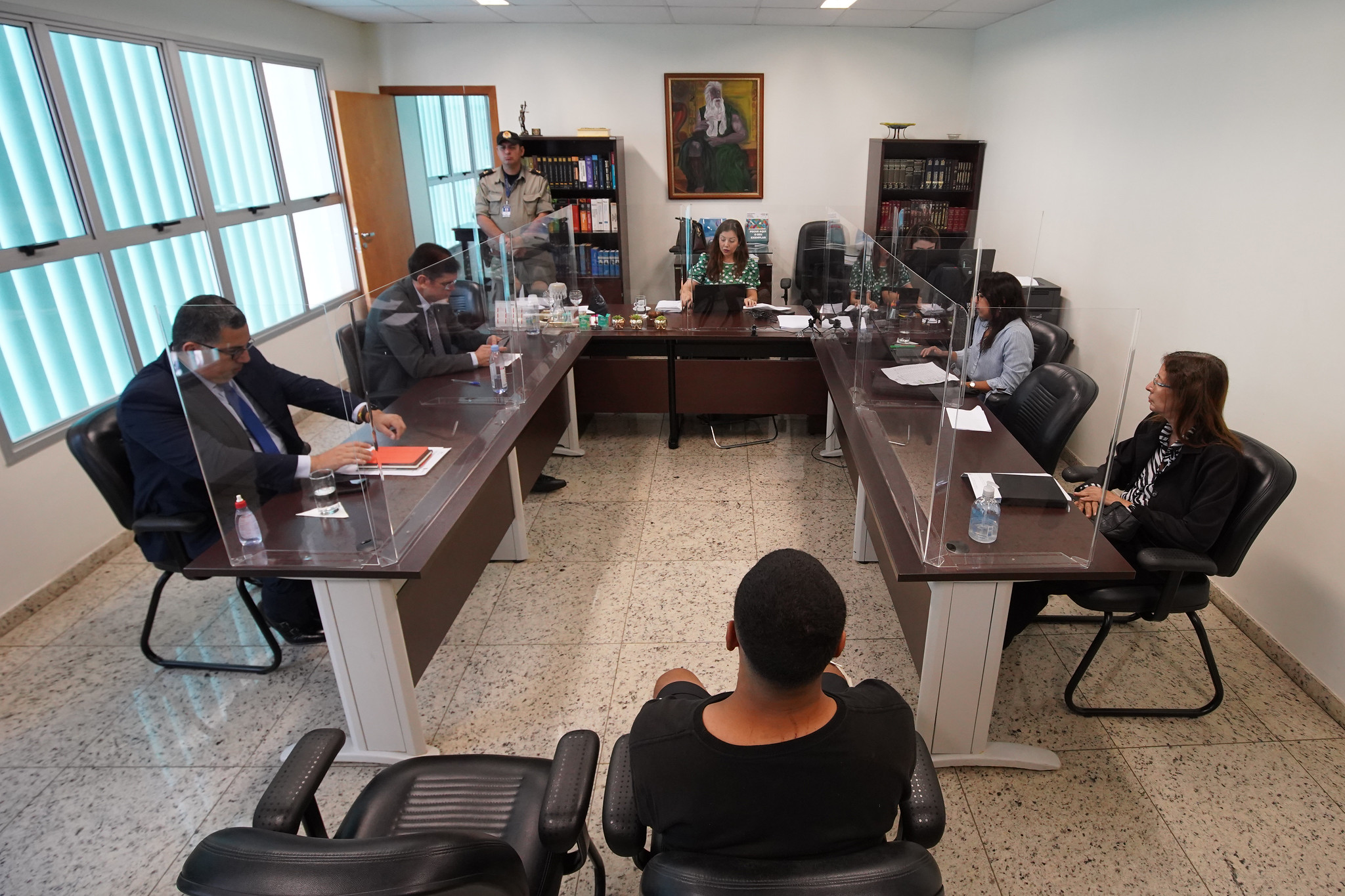 Foto: Luiz Silveira/Agência CNJ
In 2025, custody hearings marked ten years of implementation in Brazil, representing an important milestone in the defense of human rights and the fight against institutional violence. These hearings were created to ensure that anyone arrested in the act is brought before a judge within 24 hours. They have become an essential tool in preventing torture, combating prison overcrowding and in guaranteeing a fairer and more humane justice system.
This tool represents progress in tackling abuse, torture and unlawful imprisonment, but challenges still remain in ensuring that custody hearings fully achieve their objectives.
What are custody hearings?
Custody hearings are provided for under the American Convention on Human Rights. They ensure that anyone who is arrested in the act is brought before a judge within 24 hours. The hearing – which must be attended by representatives from the Public Prosecutor’s Office, the Public Defender’s Office or a lawyer – is not to determine guilt or innocence. Instead, the focus is on the legality of the arrest, whether the person should remain in custody and, above all, whether there was any mitreatment or torture at the time of arrest.
Read more


These hearings were first implemented in February 2015 in Brazil, through an initiative of the National Council of Justice (CNJ), in a pilot project in the city of São Paulo. Later that year they were expanded nationwide. In October, Conectas, alongside other organizations, participated in a public hearing of the Inter-American Commission on Human Rights of the OAS, in Washington where they presented the initial results of the project.
An essential tool for human rights
Before custody hearings were implemented, people who were arrested could go weeks or even months without appearing before a judge. This lack of direct contact with the judiciary made it difficult to report aggressions and violated basic guarantees of defense.
A person who is arrested can immediately report any abuse suffered during detention, at the hearing, which guarantees these violations are made visible. This practice has helped expose cases of police violence and to reinforce accountability for law enforcement officers.
According to CNJ data, at around 7% of custody hearings there are reports of torture and mistreatment. There have been almost 153 cases since the implementation of the model – an alarming figure that reveals both the scale of the violence and the importance of this tool in combating it.
Combating torture and institutional negligence
Despite the progress made, obstacles remain. In the report “Tortura Blindada”, produced by Conectas, it was revealed that prosecutors and judges often fail to investigate reports of violence properly. The study also showed that many of these abuses are committed by police officers in order to extract confessions, evidence of a worrying pattern of authoritarian practices and institutional negligence.
Custody hearings and the ‘Just Sentence’ Plan
The ‘Just Sentence’ Plan also acknowledges the importance of custody hearings. It was issued in response to the STF (Supreme Federal Court) in ADPF nº 347, which recognized the unconstitutional state of affairs in the Brazilian prison system. Guidelines to strengthen the role of custody hearings as a tool for controlling the legality of arrests, monitoring mistreatment and addressing overcrowding are among the 141 measures outlined in the Plan.
The efficacy of the ‘Just Sentence’ Plan and custody hearings depends on the commitment of several different bodies of the justice system – the Judiciary, the Public Prosecutor’s office, Public Defenders and the Medical-Legal Institute – to ensure active listening of people in custody and that reports of abuse are acted upon.
Advancing to uphold dignity
Ten years on, custody hearings are still a fundamental achievement of civil society and an important pillar in the fight for a less violent, more transparent penal system, committed to basic rights. For this tool to fully achieve its purpose, its implementation must be supported by political will, active oversight and qualified attention to the reports presented by people deprived of their liberty. Research by Conectas and other organizations shows that, over the last 10 years, custody hearings have failed to curb police torture. Reports reveal that complaints of violence made by those arrested in the act are rarely investigated and end up falling under the responsibility of the same police units involved in the arrest, undermining one of the principal objectives of the mechanism.